Waste Water Treatment System in India
Waste Water Treatment System for Enhanced Liquid Penetrant Inspection Practices By URSA Associates in Mumbai, Maharashtra
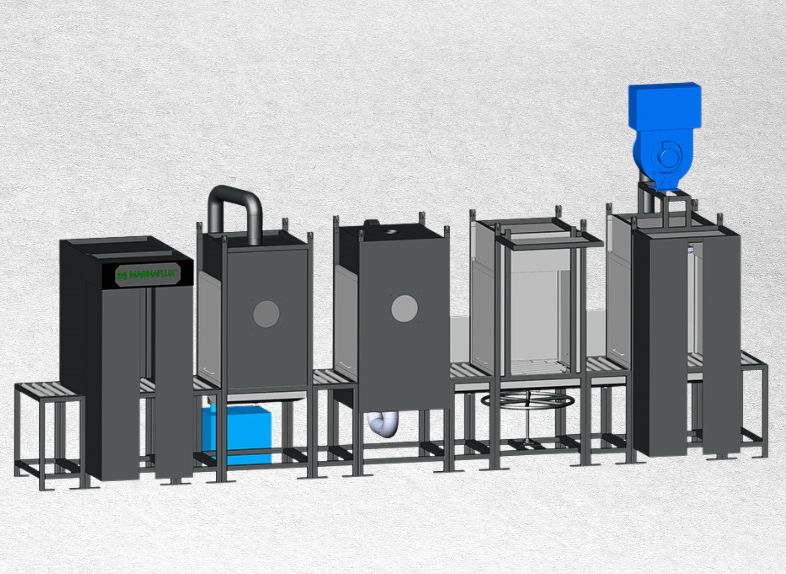
URSA Associates provides the Rochem Waste Water Treatment System, which is essential for maintaining environmental sustainability while optimizing Liquid Penetrant Inspection (LPI) processes. This system is designed to efficiently manage and treat wastewater generated during inspections, ensuring compliance with environmental standards and regulations.
Ready to optimize your wastewater management? Contact URSAA today for tailored wastewater treatment solutions as well as expert support. Let us help you achieve efficient, compliant water reuse.
Features
- Environmental Compliance: Ensures compliance with environmental regulations by using treating and coping with wastewater in accordance with set up standards.
- Efficient Filtration:Utilizes superior filtration mechanisms to split penetrant substances and contaminants from wastewater, taking into consideration safe discharge.
- Customizable Design: Tailored to house varying wastewater volumes and compositions, offering flexibility to evolve to specific industry desires.
- Safe Disposal: Provides a steady and environmentally friendly method for the disposal of wastewater generated during LPI procedures.
Benefits
- Environmental Stewardship: Demonstrates a commitment to environmental obligation through effectively treating and dealing with wastewater.
- Regulatory Compliance:Ensures adherence to local and worldwide environmental rules associated with wastewater disposal.
- Optimized Operations: Prevents contamination of natural water resources and promotes sustainable practices in the LPI workflow.
Elevate Your Environmental Practices
Integrate the Waste Water Treatment System into your LPI methods to decorate environmental stewardship, meet regulatory standards, and make a contribution to sustainable industrial practices.
Note
The effectiveness of the Waste Water Treatment System may vary based on specific industry needs and wastewater characteristics.
Frequently Asked Questions
1. What is wastewater and why does it need treatment?
Ans: Wastewater is used or contaminated water from homes, industries, or businesses that contains impurities as well as pollutants. It needs treatment to remove harmful substances before discharge to protect human health as well as the environment.
2. What are the main stages of wastewater treatment?
Ans: Typical wastewater treatment involves preliminary (screening), primary (settlement), secondary (biological) as well as sometimes tertiary or disinfection processes to progressively remove solids, organic matter as well as pathogens.
3. Can treated wastewater be reused?
Ans: Yes after proper treatment, wastewater can be safely reused for purposes like flushing, irrigation, industrial processes, or landscape watering. It depends on the level of purification achieved.
4. How often should a wastewater treatment system be serviced?
Ans: Routine servicing depends on the system’s design as well as load, but regular inspection, cleaning of screens as well as periodic sludge removal are essential to guarantee efficient operation as well as compliance with standards.
5. What is the difference between residential and industrial wastewater treatment?
Ans: Residential wastewater typically contains organic matter as well as household waste, while industrial wastewater may include chemicals as well as complex pollutants. It requires customized treatment processes as well as monitoring.
6. Does wastewater treatment remove harmful bacteria and pathogens?
Ans: Yes treatment processes such as aeration, biological degradation as well as disinfection (chlorination or UV) significantly reduce bacteria as well as pathogens before final discharge.