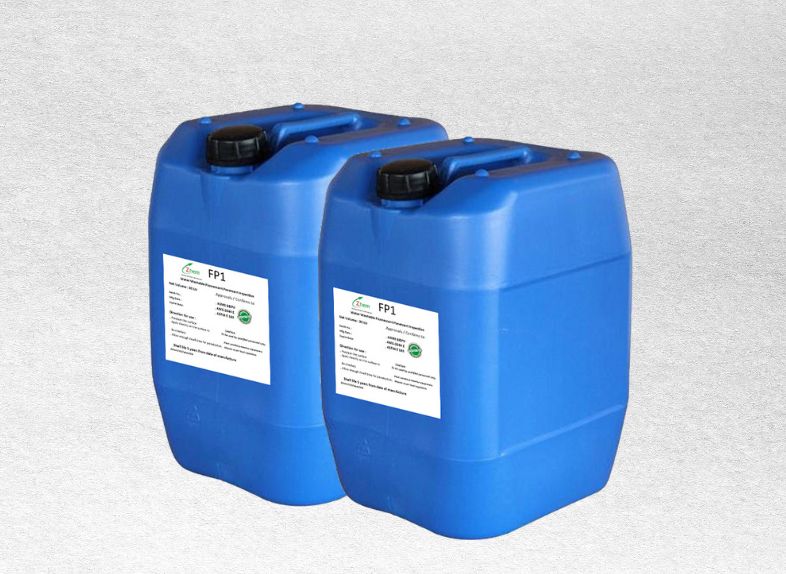
ZChek FP1 Water Washable Penetrant Manufacturers and Supplier in India
ZChek FP1: Superior Water Washable Fluorescent Penetrant By URSA Associates- Trusted Distributors in Mumbai, Maharashtra
URSA Associates supplies Rochem ZChek FP1, a fluorescent penetrant distinguished by its greenish-yellow glow under ultraviolet light. It meets OSHA Class 3 B liquid standards due to its high flash point. This penetrant is essential for crack detection in various applications, including engineering and aerospace alloys such as aluminum, steel, nickel, and titanium.
Ready to ensure flawless inspections? Contact URSAA today for pricing as well as availability of ZChek FP1 — your expert partner in reliable NDT solutions!
Product Specifications
- NDT Type: Primarily designed for Fluorescent Penetrant Testing, ensuring comprehensive flaw detection.
- Penetrant Type: Categorized as Type 1 Penetrant.
- Removal Type: Easily washable with water, simplifying the post-inspection cleaning process.
- Required Equipment: Utilizes a UV light source for optimal detection.
Categories and Applications
ZChek FP1 is classified under Consumables (LPI), Fluorescent Type (Penetrants), and Liquid Penetrant Inspection. Its applications span across various components like castings, engine cylinder blocks, pistons, and steering knuckles, particularly beneficial for detecting defects such as cracks, laps, and porosity, even on rough or unmachined surfaces.
Industry Approvals
TThis penetrant meets the stringent standards outlined by ASME B & PV Code, Sec V, AMS 2644, ASTM E 165, ASTM E 1417, and ISO 3452-2, ensuring its adherence to industry benchmarks.
ZChek FP1 stands as an indispensable tool in flaw detection, offering reliability and accuracy in identifying critical defects across an array of alloys and components.
For more information or to purchase, contact ZChek FP1 Distributors in Mumbai or ZChek FP1 Suppliers in Mumbai.
Frequently Asked Questions
1. What is ZChek FP1 and what is it used for?
Ans: ZChek FP1 is a water‑washable fluorescent penetrant. It is used in non‑destructive testing (NDT) to detect surface defects such as cracks, laps, porosity as well as seams in metal components under UV light.
2. What type of penetrant is ZChek FP1?
Ans: It is a Type‑1 fluorescent penetrant with water washable removal. It is designed for thorough crack detection as well as easy post‑test cleaning.
3. What equipment is required to use ZChek FP1?
Ans: ZChek FP1 needs a UV‑A light source for inspection to visualize the fluorescent indications effectively.
4. What materials can be inspected using this penetrant?
Ans: This penetrant is suitable for inspecting engineering as well as aerospace alloys such as aluminum, steel, nickel as well as titanium components.
5. Does ZChek FP1 comply with industry standards?
Ans: Yes it meets key industry standards including ASME B & PV Code Sec V, AMS 2644, ASTM E‑165, ASTM E‑1417 & also ISO 3452‑2.
6. How is ZChek FP1 removed after application?
Ans: After dwell time, excess penetrant can be rinsed off easily with water before applying the developer as well as inspection.